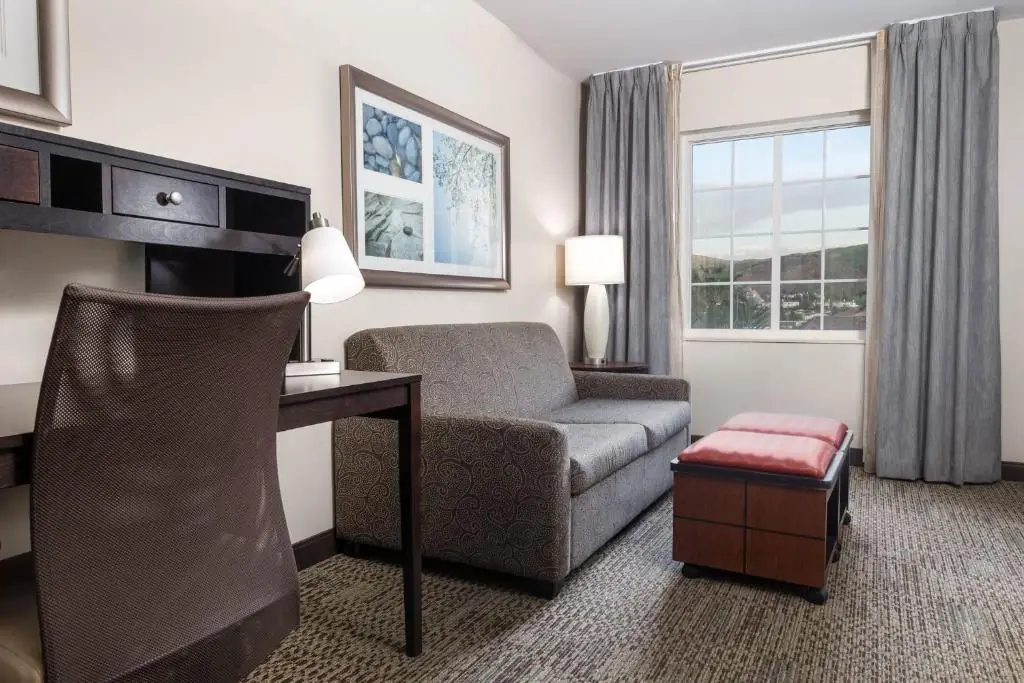
Common Suite Hotels Travel Mistakes: Definitive Guide & Analysis
The structural evaluation of luxury hospitality and high-capacity multi-room accommodations reveals a persistent vulnerability to operational and planning errors. Travelers, corporate mobility coordinators, and family office managers frequently approach premier suite bookings with assumptions calibrated for standard hotel rooms, ignoring the unique architectural, financial, and logistical constraints of multi-zone properties. This misalignment routinely results in friction, unexpected capital exposure, and diminished asset value. Discerning stakeholders must recognize that maximizing the utility of upscale lodging requires moving beyond generic booking habits to adopt rigorous operational oversight.
Furthermore, the commercial ecosystem supporting high-end resort and urban suite inventories operates under complex third-party management leases, strict occupancy caps, and non-standard cancellation frameworks. Standard consumer booking platforms routinely obscure critical variations, such as hidden utility fees, inadequate acoustic separation, and rigid zoning regulations. True satisfaction and long-term asset security remain hidden behind polished digital interfaces until an analyst examines the underlying contract parameters. Therefore, establishing a disciplined analytical framework for identifying and correcting common suite hotels travel mistakes safeguards against unaligned expectations and financial waste. Optimizing property selections across global financial hubs, cultural capitals, and secluded sanctuary destinations depends heavily on this careful technical scrutiny.
Additionally, navigating this elite sector demands an uncompromising editorial perspective. Whether evaluating a corporate master service agreement or structuring an independent executive retreat, understanding underlying property mechanics protects both capital and professional comfort. Ultimately, this comprehensive guide provides an objective examination of the conceptual frameworks required. Professionals must master the operational nuances of avoiding planning pitfalls with absolute analytical precision.
Understanding “common suite hotels travel mistakes”
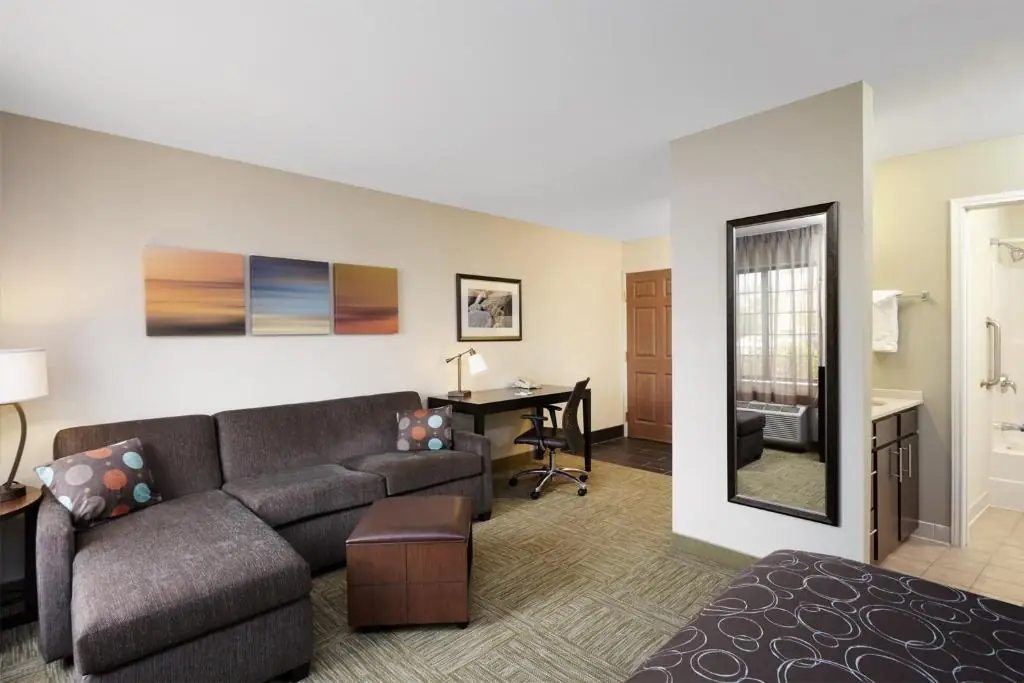
The phrase common suite hotels travel mistakes is frequently oversimplified. Consumer travel blogs and general-use forums often reduce intricate planning failures to superficial observations about forgetting phone chargers, packing inappropriate clothing, or failing to request late check-out. Praising a simple checklist for personal luggage gets treated as the primary marker of travel readiness. However, these generalized summaries ignore critical structural realities. Multi-room layout inefficiencies, unverified architectural floor plans, overlooked resort amenity fee integration, and miscalculated group occupancy limits demand careful attention. Furthermore, travelers must distinguish between standard transient room oversights and complex multi-suite logistics failures.
In professional asset evaluation, executing a proper risk mitigation strategy requires focusing on measurable structural parameters. These parameters include spatial circulation efficiency ratios, acoustic insulation performance metrics, auxiliary kitchen equipment inventories, and master billing folio transparency. Moreover, direct property management pre-arrival communication channels and seasonal occupancy indices dictate true performance. A common misunderstanding assumes that booking any high-tier hotel suite guarantees a seamless experience across all accompanying guests, regardless of structural layout constraints. In reality, true operational success lies in verifying architectural schematics, pre-negotiating auxiliary inclusions, and auditing contract fine print.
Analyzing these operational challenges requires recognizing a fundamental tension. Planners must balance the desire for expansive, luxurious accommodations against the strict spatial and financial realities of multi-room properties. An analyst investigating common suite hotels travel mistakes will find unique operational friction points. Properties claiming sweeping suite versatility frequently feature open-plan living areas that lack proper sound dampening, creating acoustic bleed between working spaces and sleeping quarters.
Travelers relying entirely on generic online booking advice routinely miss critical structural vulnerabilities. Therefore, mastering the core principles involves deep industry collaboration. Corporate travel directors, luxury hospitality asset managers, and frequent travelers must unite. Together, they establish enduring benchmarks of error-free suite travel execution.
Deep Contextual Background
The historical evolution of upscale lodging and multi-room suite design traces distinct roots across twentieth-century architectural development and tourism expansion. In the early decades of luxury travel, grand hotels featured spacious residential apartments designed for long-term aristocratic stays. These early models prioritized permanent architectural permanence, large social salons, and integrated domestic staff quarters, reflecting a slower-paced era of elite travel.
Throughout the late twentieth century, the commercialization of global tourism and the rise of business-class hospitality catalyzed a structural shift toward standardized, high-density hotel towers. Property developers began configuring modular suites by combining standard rooms with adjoining doors, creating flexible multi-room configurations that often sacrificed authentic residential proportions. However, these modular designs frequently suffered from inadequate sound insulation, cramped bathroom allocations, and poorly integrated kitchenette facilities, catching unwary travelers off guard. Meanwhile, a parallel trend toward extended-stay residential properties emerged, offering full kitchens and living spaces but occasionally compromising on luxury aesthetic finishes and high-end concierge services.
By the mid-2020s, new socioeconomic shifts accelerated demand for highly functional, multi-functional suite accommodations that could support both hybrid work and family living. The convergence of distributed corporate teams, multi-generational leisure travel, and heightened expectations for privacy changed how travelers utilize suite assets. Modern planners now balance aesthetic expectations against rigorous spatial and contractual audits. Examining this sector requires navigating a mature global market. Bustling metropolitan centers and secluded resort compounds define the dual pillars of modern suite travel challenges.
Conceptual Frameworks and Mental Models
Evaluating the operational maturity and financial viability of avoiding travel planning errors relies on structured mental models:
-
The Spatial Circulation Index (SCI): Measures the internal flow and functional zoning of a multi-room suite to ensure sleeping quarters remain isolated from high-traffic living areas.
-
The Acoustic Transmission Model (ATM): Evaluates the decibel reduction across internal suite walls and external entry doors to prevent noise interference.
-
The Ancillary Cost Exposure Ratio (ACER): Quantifies the ratio of hidden fees (parking, resort charges, kitchen supply surcharges) relative to the baseline room tariff.
-
The Contractual Fine-Print Audit Framework (CFAF): Assesses the systematic review of cancellation windows, attrition rules, and inclusion limits prior to capital commitment.
Key Categories or Variations
| Suite Travel Error Category | Primary Operational Focus | Core Strategic Advantage | Critical Trade-Off |
| Architectural Layout Overlooking | Failing to inspect detailed floor plans before booking multi-room suites | Prevents unpleasant surprises regarding spatial layout and bed configurations | Requires obtaining unreleased architectural diagrams from hotel sales desks |
| Acoustic and Privacy Neglect | Ignoring sound transmission between common areas and private bedrooms | Protects confidential discussions and ensures restful sleep for all guests | Limits suite selection to properties featuring solid masonry demising walls |
| Ancillary Fee Underestimation | Overlooking mandatory resort fees, valet parking, and kitchen surcharges | Prevents sudden budget overruns during checkout folio reconciliation | Requires proactive pre-trip auditing of all auxiliary property pricing |
| Inadequate Group Capacity Planning | Miscalculating maximum occupancy rules and bathroom-to-guest ratios | Ensures physical comfort and compliance with fire safety regulations | May necessitate upgrading to larger, more expensive multi-bedroom villas |
| Third-Party Intermediary Reliance | Booking complex suite configurations through inflexible consumer OTA portals | Simplifies initial digital checkout via centralized aggregator interfaces | Eliminates direct communication lines with property management for special requests |
| Rigid Cancellation Window Ignorance | Missing sliding deposit forfeiture dates on high-value advance purchase suites | Maintains itinerary flexibility by selecting refundable tariff structures | Commands a 15% to 30% nightly rate premium over non-refundable rates |
When applying decision logic to these variations, discerning travelers must align their mitigation strategy with the specific structural profile of their trip. Multi-generational family vacations and executive team retreats benefit greatly from rigorous architectural layout verification and acoustic planning. Conversely, independent corporate travelers must focus on ancillary fee auditing and cancellation risk control.
Detailed Real-World Scenarios
Overcoming Architectural Layout Surprises in a Multi-Room Penthouse
A family office coordinator books a three-bedroom penthouse suite for a multi-generational family gathering at a premier urban hotel.
-
Constraint: Upon arrival, the family discovers that the third bedroom is an interior space lacking exterior windows and ventilation, connected directly to the noisy main living salon.
-
Failure Mode: Poor air circulation and constant noise disrupt sleeping arrangements for elderly family members, degrading the quality of the stay.
-
Decision Point: Request certified architectural floor plans directly from the property sales director prior to contract signing, ensuring all bedrooms feature independent exterior windows and soundproofed doors.
Managing Acoustic Transmission Issues During a Confidential Corporate Offsite
An executive leadership team books an expansive corner suite to host sensitive strategy sessions and client presentations.
-
Constraint: Thin interior partition walls and unsealed heavy entry doors allow hallway conversations and adjacent elevator noise to penetrate the meeting space.
-
Failure Mode: Confidential strategic discussions are compromised, and participants struggle to maintain focus amidst ambient building noise.
-
Decision Point: Deploy portable acoustic dampening panels, select suites located at the end of secure private corridors, and verify solid-core demising walls prior to booking.
Auditing Hidden Ancillary Fees on Long-Term Extended Stay Suites
A project management team books a block of residential suites with full kitchens for a three-week software deployment in a major financial center.
-
Constraint: The travelers assume all in-suite kitchen utilities, high-speed wired internet ports, and weekly deep cleaning are included in the baseline rate, only to find daily add-on charges billed at checkout.
-
Failure Mode: Departmental travel budgets are exceeded by unexpected incidental charges, creating friction during corporate expense reporting.
-
Decision Point: Request an itemized master sheet of all included versus auxiliary amenities prior to arrival, establishing a written folio spending cap with front desk management.
Planning, Cost, and Resource Dynamics
Executing a robust error-avoidance strategy involves balancing upfront investigative efforts—such as reviewing floor plans, auditing contracts, and negotiating direct terms—against the substantial financial and psychological cost of a failed accommodation experience. Intangible assets like executive sleep quality, meeting privacy, and itinerary harmony justify careful pre-booking diligence. Furthermore, the economic model requires analyzing indirect expenses against total trip value.
| Investigation Tier | Upfront Effort / Time | Ideal Traveler Profile | Strategic Financial Impact |
| Superficial Consumer Booking | Minimal (5-minute online reservation) | Casual leisure traveler | High vulnerability to hidden fees and layout surprises |
| Detailed Architectural Audit | Moderate (1-2 hours research and calls) | Executive team or family planner | Eliminates spatial mismatches and secures optimal room positioning |
| Comprehensive Contract Review | High (Legal and financial verification) | Enterprise corporate coordinator | Secures complete cost predictability and strict cancellation protection |
Tools, Strategies, and Support Systems
-
Certified Architectural Floor Plan Libraries: Direct property schematics detailing exact room dimensions, window placements, and plumbing fixtures.
-
Direct Property Sales Management Desks: Communication channels allowing planners to verify specific room features outside standard OTA descriptions.
-
Acoustic and Spatial Checklist Frameworks: Structured evaluation templates used by travel coordinators to audit hotel suite configurations.
-
Master Folio Management Software: Digital expense tracking tools monitoring auxiliary charges and incidental spending in real-time.
-
Corporate Travel Policy Compliance Portals: Internal booking platforms flagged to prevent unauthorized non-refundable suite commitments.
Risk Landscape and Failure Modes
The primary operational hazard inherent in suite travel involves single-point-of-failure vulnerabilities in property management communication and room allocation. When a specific multi-room suite configuration is promised online but reassigned by front desk staff upon arrival due to operational overbooking, guests frequently find themselves downgraded to disconnected standard rooms. Disgendered planners mitigate this hazard by securing written confirmation numbers tied explicitly to specific room type inventory categories directly from hotel management.
Another compounding risk relates to fire safety and maximum occupancy compliance in large hospitality suites. Because luxury suites often feature expansive living areas capable of hosting dozens of visitors, unauthorized gatherings that exceed legal occupancy limits can result in immediate security intervention, heavy fines, or eviction by hotel management. Professional coordinators counteract this by clarifying maximum guest allowances with property security directors before organizing group events.
Governance, Maintenance, and Long-Term Adaptation
Sustaining high standards across recurring luxury and executive travel portfolios requires a disciplined review process. Travel managers and frequent planners must maintain updated dossier databases on all partnered suite properties, tracking changes in room maintenance quality, acoustic performance, and billing accuracy. If a property allows its suite infrastructure to degrade or introduces hidden fee structures, planners must promptly remove the hotel from approved travel rosters.
Portfolio governance must also adapt to shifting hospitality standards, emerging acoustic technology, and evolving corporate travel policies. Maintaining ongoing communication with property ownership groups ensures clients retain access to top-tier, reliable accommodation assets. Proactive governance protects both invested travel capital and organizational reputation across diverse domestic and international destinations.
Measurement, Tracking, and Evaluation
-
Suite Layout Satisfaction Score: Measures guest feedback regarding spatial circulation, room privacy, and architectural comfort.
-
Folio Variance Percentage: Tracks the financial difference between estimated booking costs and final checkout expenses after accounting for auxiliary fees.
-
Acoustic Integrity Index: Quantifies the absence of noise complaints or privacy breaches during sensitive suite stays.
-
Contract Compliance Ratio: Evaluates whether hotel bookings adhere strictly to organizational risk management and budget parameters.
Common Misconceptions and Oversimplifications
-
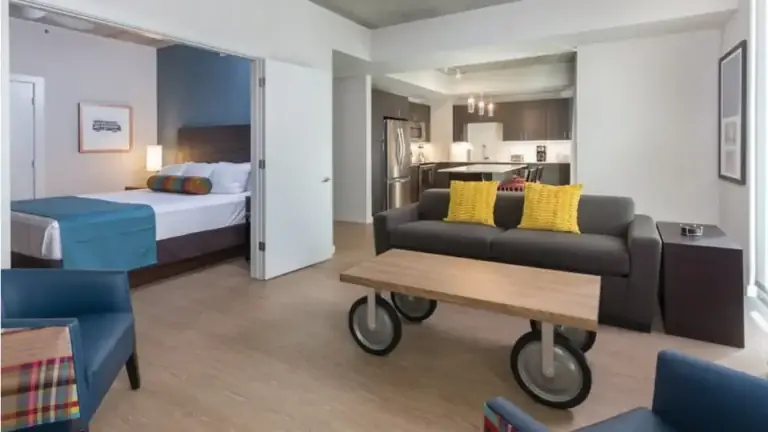
Myth: Any hotel room designated as a “suite” automatically includes a separate, fully enclosed bedroom and a private living room. Reality: Many properties market open-plan studio rooms or junior suites where the bed and seating areas occupy a single undivided space.
-
Myth: Booking a multi-room luxury suite through a mainstream consumer booking portal guarantees priority room assignment and direct management support. Reality: OTA bookings are often treated as lower priority by property front desks compared to direct corporate contracts, increasing the risk of suboptimal room placements.
-
Myth: Full kitchens equipped in extended-stay suites always include all necessary cookware, utensils, and cleaning supplies for gourmet meal preparation. Reality: Many hotel kitchens require guests to request specialized cookware or pay supplemental inventory fees for complete culinary setups.
-
Myth: Luxury suite rates inherently bundle all resort amenities, high-speed internet, and valet parking into a single transparent price. Reality: High-end urban and resort suites frequently levy separate, substantial daily fees for parking, internet bandwidth, and wellness facilities.
-
Myth: Standard hotel soundproofing is uniform across all guest floors, ensuring absolute acoustic privacy in corner suites. Reality: Corner suites frequently abut elevator shafts, service stairwells, or exterior mechanical units, introducing significant ambient noise.
-
Myth: Maximum occupancy limits on multi-room suites are flexible guidelines that can be exceeded by adding extra rollaway beds. Reality: Maximum occupancy caps are strictly enforced by local fire codes and hotel insurance policies, with zero tolerance for unregistered guests.
Ethical, Practical, or Contextual Considerations
Evaluating common suite hotels travel mistakes intersects with broader discussions regarding accessibility standards in historic properties, fair labor practices in resort housekeeping, and sustainable resource consumption in large suite blocks. As expansive multi-room suites consume significant energy, water, and laundering resources, balancing guest comfort with environmental responsibility remains essential. Consequently, supporting responsibly managed properties that prioritize energy efficiency, sustainable amenities, and fair labor practices helps protect regional ecological and social stability. Progressive travelers address these ethical considerations by partnering with hospitality brands that demonstrate genuine operational transparency and stewardship. Simultaneously, maintaining rigorous operational scrutiny remains a core priority.
Conclusion
Mastering the complexities involved in identifying and avoiding common suite hotels travel mistakes requires an uncompromising analytical perspective. True professional efficiency involves looking past surface-level marketing imagery and generic booking portals to examine architectural floor plans, acoustic transmission models, and ancillary fee structures. When planners systematically evaluate these operational asset dynamics, they ensure lasting financial security, operational harmony, and uncompromised executive comfort. Disgendered travelers achieve absolute structural reliability, strict budgetary control, and enduring value across any destination worldwide.